Collectible Packaging: What Drives Long-Term Value and How to Build It
Collectible packaging earns value when it reinforces presentation, preserves condition, and supports a product's secondary life beyond the initial sale. For brands selling collector products, packaging must do three things well: present the item in a way that feels purpose-built, protect physical condition for decades of storage or display, and communicate authenticity and scarcity clearly. These priorities affect material selection, structural design, finishing, and the choices made for inserts and documentation.
Assessing Collector Value: A Practical Framework
Which elements most influence perceived long-term value for collectible packaging? Use a decision framework with five lenses: presentation, preservation, provenance, play/display, and scarcity signaling. Applying the framework early helps align marketing, product development, and manufacturing requirements. Brands that sell entertainment, limited-run, or premium boxes find this structured approach especially useful when briefing suppliers like Entertainment & Specialty Packaging on design goals and production constraints.
1. Presentation: First impressions that last
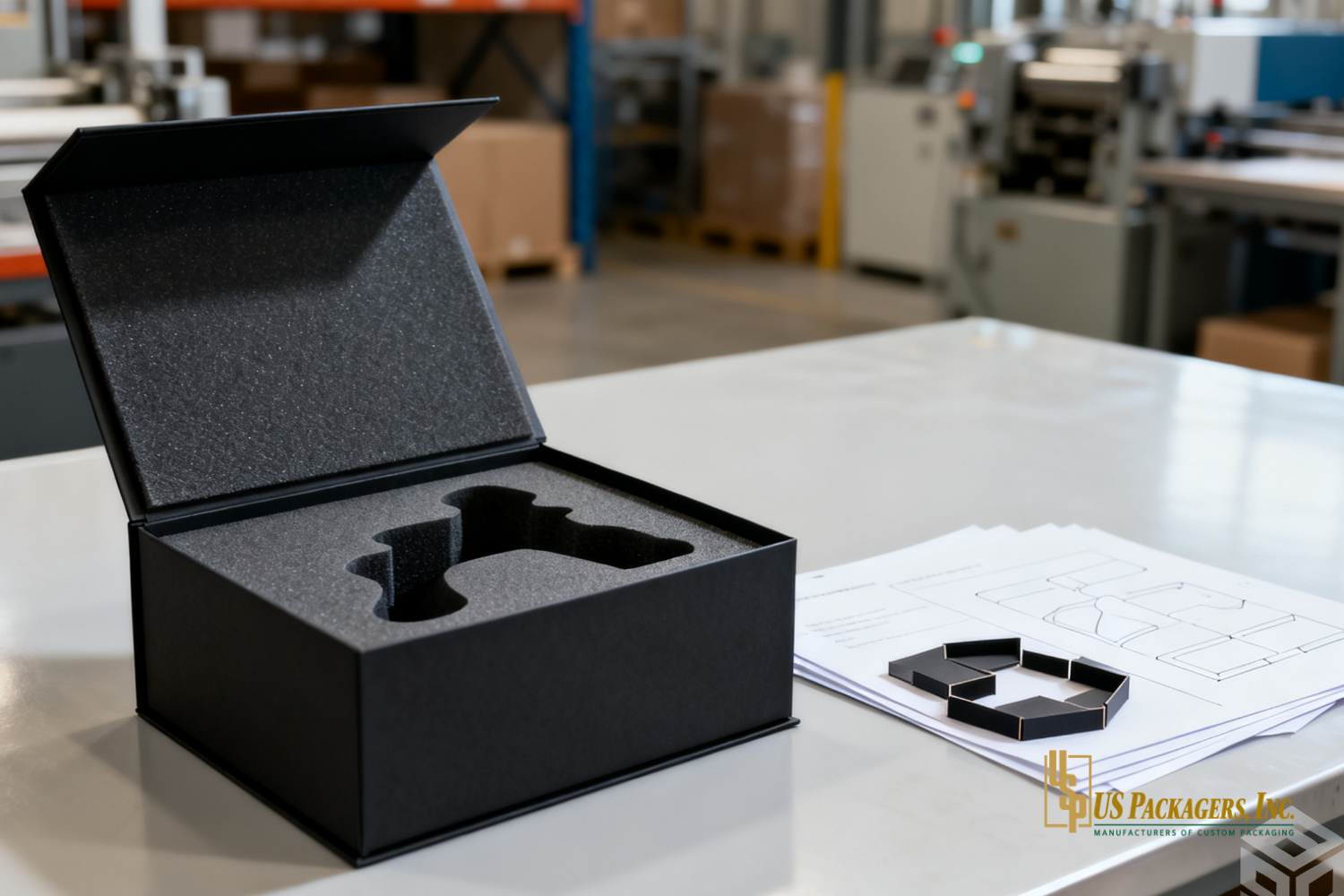
Presentation shapes collector perception immediately. Consider rigid boxes, magnetic-closure lids, contrast interiors, and precision die cuts that cradle a product. Finishes such as soft-touch coatings, satin laminates, spot varnish, or selective foil signal premium intent. Presentation choices determine whether a package reads as display-worthy or disposable. For display-minded collector products, the interior visual hierarchy is as important as the exterior — the way the item is revealed influences emotional attachment and resale potential.
2. Preservation: Protecting condition over time
Collectors value items that remain in like-new condition. Structural strength, barrier properties, and appropriate inserts reduce movement and abrasion. Consider archival-grade materials where needed, foam or molded trays shaped to the product, and acid-free papers for certificates. For products that include electronics, vinyl, or paper ephemera, specify materials that will not off-gas or cause corrosion. Preservation requirements will also shape testing and handling instructions for fulfillment and returns.
3. Provenance: Authentication and documentation
Packaging that supports provenance increases trust and value. Numbering, certificates of authenticity, tamper-evident seals, and discreet authentication features add tangible proof of origin. Think about placing serial numbers in a way that is secure but visible for verification. Combining visible elements with hidden markers, such as UV ink or microprinting, balances collector expectations for authenticity without turning packaging into an intrusive security object.
4. Play and display: Making the package part of the experience
Collector products often need packaging that performs beyond storage. Designs that convert into display stands, shadow boxes, or shelved modules extend product life and keep customers engaged. Consider modular inserts that allow the product to be shown without removing protective elements, or hinged systems that present the item while keeping it safe. Packaging that earns a place on a shelf or in a display case increases repeated exposure and long-term appreciation.
5. Scarcity signaling: Materials, finishes, and narrative
Scarcity is not just about low quantity. Packaging signals rarity through tactile materials, restrained finishing, and deliberate limitations on variant complexity. Embossing, spot foil, and special-edge treatments can make each unit feel unique. Narrative elements such as limited-edition labeling, a numbered run printed on an interior panel, or a short product backstory help collectors connect emotionally and understand the product's place inside a limited series.
Evaluating Tradeoffs: Cost, scale, and longevity
How should brands balance perceived value against budget and production constraints? Higher perceived value usually requires stronger structures, more complex tooling, and upgraded finishes. Those investments pay off for small-run premium boxes where the margin supports specialty work. For high-volume collector lines, prioritize durable structures and one or two premium finishes rather than trying to replicate a fully bespoke solution at scale. Early cost-scope analysis informs which elements of the framework deliver the most incremental value for a given unit economics scenario.
Materials and finishing decisions that matter for collector products
Which materials best serve the framework? Rigid chipboard or two-piece telescoping boxes offer a premium feel and strong protection. High GSM coated board with a durable lamination resists scuffs. For interior supports, vacuum-formed trays, custom die-cut foam, or molded pulp each offer different protection levels and cost points. Finishing options such as foil stamping and blind debossing communicate quality; choose finishes that age well and do not flake or tarnish. Specify inks and coatings that are compatible with long-term display and handling.
Design to production: Implementing collector packaging
What steps reduce risk during conversion from concept to manufactured packaging? Start with a functional brief that translates the value framework into measurable requirements: maximum outside dimensions, acceptable movement tolerance, required finish durability, and presentation sequence during unboxing. Prototype key interactions with a proof or short-run sample and validate fit with the actual product rather than a mock-up. Coordinate packaging tolerances with fulfillment processes to avoid damage during kitting or shipping. When moving to production, partner with suppliers experienced in specialty projects and ask for a manufacturing plan that includes die lines, tool approvals, and quality checkpoints. For brands needing an integrated approach from design through manufacturing, consider engaging a partner who provides both creative development and in-house production capabilities like Custom Packaging.
Shipping, storage, and aftermarket considerations
How the packaged product travels and is stored affects long-term condition. Design secondary shipping cartons to absorb stacking forces and avoid using the retail box as the shipping box for fragile collectibles. Include clear storage instructions for collectors, such as temperature tolerance and humidity guidance, when materials are sensitive. If the product is likely to be resold, design packaging so it can be inspected without damaging authentication elements.
Businesses looking for additional packaging insights can also read Entertainment & Specialty Packaging for more practical guidance.
Common buyer questions when planning collectible packaging
How much should be invested in protective inserts?
Invest as much as necessary to protect the product against its most likely damage modes. Fragile or multi-part collectibles typically warrant custom foam or molded trays. Simpler or sturdier items may be secure with precision die-cut chipboard or crushable cardboard supports. Consider insert cost relative to replacement cost and reputation risk.
Do certificates and numbering materially affect resale value?
Certificates and clear numbering often improve trust and marketability. They are inexpensive relative to overall packaging and can be integrated into the interior design. Keep authentication features durable and hard to replicate, but avoid overly complex security that complicates packaging production.
Is it better to design for display or for archival storage?
Decide which use case aligns with the target collector. Display-friendly packaging increases ongoing engagement and visibility. Archival-grade packaging prioritizes long-term condition and may use different materials. Hybrid designs that allow both display and protected storage are often the best compromise for broad collector appeal.
What manufacturing questions should be asked of a packaging supplier?
Ask about prototyping capabilities, minimum order quantities for specialty runs, material sourcing, finish durability testing, and quality control steps. Request examples of comparable solutions and ask to see samples of finishes and insert options. Confirm how changes will be handled between mock-up and production.
Packaging decisions that support long-term collector value
For collector-focused products, specialty packaging needs to balance presentation, preservation, and provenance with the practical realities of production and fulfillment. Create Specialty Packaging with US Packagers and work with a team that helps translate product strategy into buildable packaging solutions and production plans aligned with your brand positioning and shipping requirements. Whether you are developing collectible packaging, limited-edition products, or specialty presentation boxes, the right packaging approach can help protect the product while creating a memorable unboxing experience.
