Packaging Design Choices: Folding Cartons vs Rigid Boxes
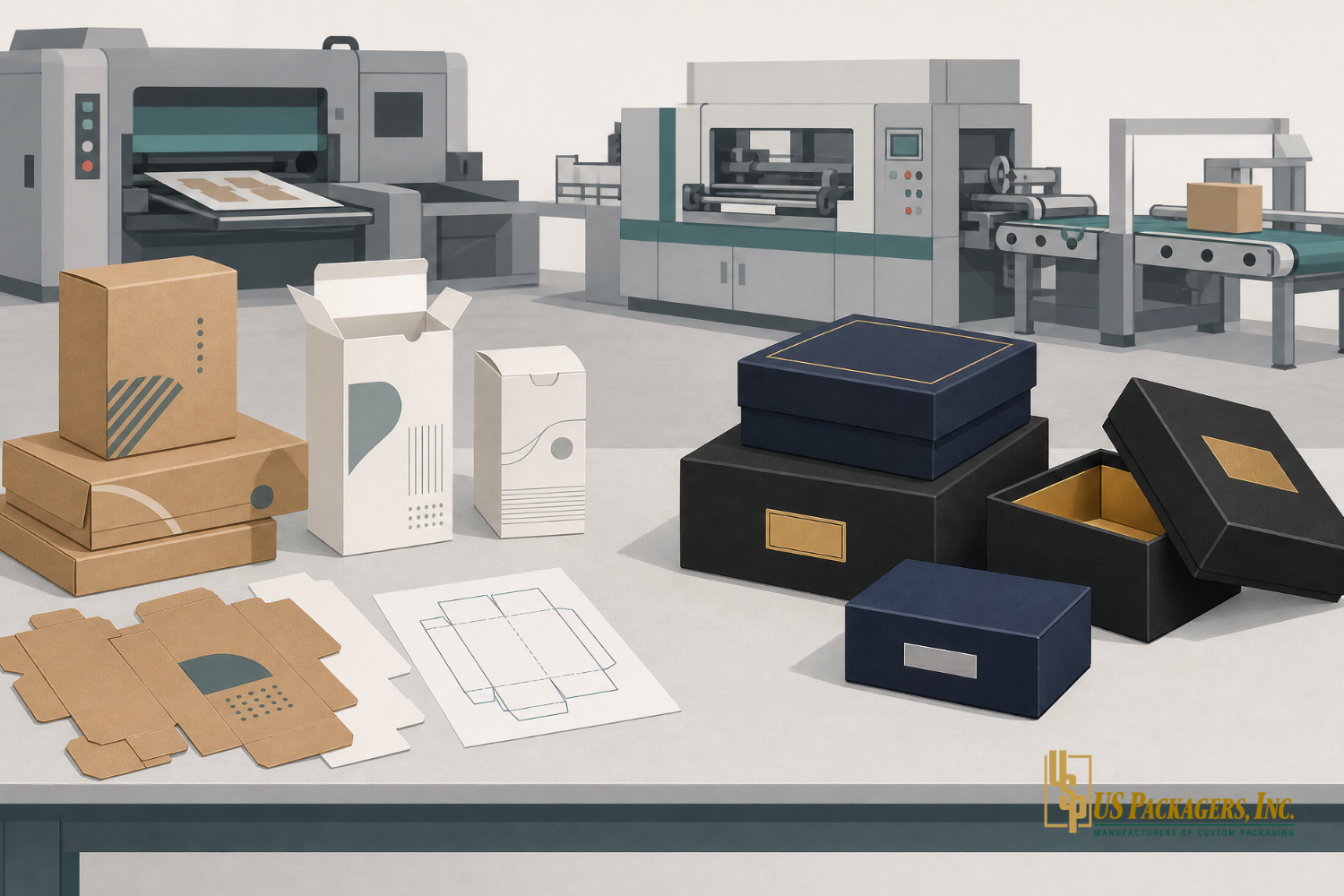
Brand growth in a competitive market often creates new demands for packaging solutions that harmonize functionality and aesthetics. When choosing between folding cartons and rigid boxes, businesses must weigh both initial and long-term impacts on their brand and operations. Folding cartons vs rigid boxes is a decision driven by product type, branding aspirations, and budget constraints. Folding cartons often offer flexibility and cost-effectiveness, making them suitable for numerous applications, especially in retail packaging. In contrast, rigid boxes provide a premium packaging experience with enhanced durability, ideal for upscale products and brand differentiation.
Determining the correct packaging choice can be complex due to factors such as production timelines, material costs, and overall design versatility. Decisions also impact how well a product attracts consumers, protects contents, and represents the brand's quality. To navigate this, companies should first define their packaging priorities like sustainability, aesthetics, or cost, before diving into manufacturing specifics.
Evaluating all these variables, US Packagers uses its experience to help businesses make informed packaging decisions that reflect their brand values. With in-house design and manufacturing, US Packagers can deliver tailored solutions that keep product protection and brand presentation aligned—the essence of effective package design. Keeping a clear strategy unites visual appeal with functional requirements, leading to stronger brand loyalty and consumer satisfaction.
Quick Answer
Choosing between folding cartons and rigid boxes hinges on the product's branding needs and budget. Folding cartons are cost-effective and versatile for most retail applications, while rigid boxes offer a luxurious presentation and high durability, suitable for premium brands.
Key Takeaways
- Folding cartons are economical and offer design flexibility for retail packaging.
- Rigid boxes provide a premium feel and enhance product protection.
- Consider brand identity and user experience when selecting packaging.
- Production costs and storage space differ significantly between packaging types.
- Work with packaging experts like US Packagers for practical, custom design options.
Quick Business Snapshot
| Category | Details |
|---|---|
| Best For | Retail and luxury products |
| Business Size | All sizes |
| Primary Benefit | Enhanced branding |
| Implementation Complexity | Medium |
| US Packagers Service Fit | Packaging Design |
| Typical Environment | Retail and promotional settings |
Who Should Consider This Solution
- Brands launching a new product seeking impactful retail packaging.
- Companies refreshing existing packaging for enhanced brand recognition.
- Food and beverage businesses preparing for retail display.
- Health and beauty brands looking to improve customer package interaction.
- Promotional product companies aiming for high-quality branded packaging.
- Manufacturers needing custom packaging for diverse product lines.
Balancing Branding with Protection
For businesses focusing on elevating branding alongside product security, rigid boxes offer a level of sophistication that aligns with high-end brand positioning. They provide the sturdiness to protect valuables and contribute to a memorable unboxing experience that reinforces brand prestige. Meanwhile, folding cartons are ideal for brands prioritizing design diversity and cost efficiency. Though less rigid, they can be customized to offer appealing retail displays.
What to Consider Before Choosing Packaging
When selecting packaging, it’s crucial to evaluate how each option impacts production and storage. Folding cartons are more space-efficient and lighter, reducing shipping costs. Rigid boxes, however, promise durability at the cost of additional space and heft. Analyzing these trade-offs will clarify which packaging solution aligns better with your operational goals and budget.
Why This Matters for Your Brand
Packaging decisions carry significant weight in conveying brand stories and values. Folding cartons allow brands to experiment with graphics and branding without overshooting budgets. In contrast, rigid boxes communicate luxury and quality, which can enhance perceived product value. Aligning packaging type with brand messaging can lead to improved consumer perception and loyalty.
Planning for Future Production
Future-proofing packaging involves considering scalability and efficiency. Folding cartons adapt easily to design and volume changes, catering to dynamic marketing strategies. Rigid boxes, while costlier to modify, ensure longevity and high-impact presentation. Strategic planning with foresight in market and production trends avoids costly redesigns and supports sustainable growth.
Where Packaging Decisions Usually Get Stuck
Decisions often stall when evaluating immediate costs versus long-term brand benefits. Businesses need to balance the higher initial investments of rigid boxes against potential increased brand equity. In these cases, a thoughtful analysis of consumer preferences and brand goals leads to more informed decisions. Consultation with experts can provide nuanced insights invaluable to navigating this decision landscape.
A Realistic Business Scenario
A premium health and beauty brand launching a new skincare line needs to communicate the luxurious nature of its products through packaging while ensuring product safety during transit. Choosing rigid boxes empowers the brand to reflect the quality and sophistication it represents. Utilizing Packaging Design services from US Packagers supports this goal with custom packaging that matches high-end branding and protection needs.
Comparison Table
| Criteria | Folding Cartons | Rigid Boxes |
|---|---|---|
| Cost | Lower | Higher |
| Durability | Moderate | High |
| Brand Perception | Versatile | Premium |
| Environmental Impact | Lower | Considerable |
| Customization | High | Limited |
| Ideal Use | Retail | Luxury |
Practical Checklist
- Identify your brand’s core values and how packaging supports them.
- Analyze your target market’s preferences and expectations.
- Consider the cost implications of each packaging style for your budget.
- Weigh the importance of durability versus presentation in your market.
- Consult with packaging experts to explore in-house design options.
- Plan for potential future changes in your product line.
- Evaluate environmental impact and sustainability as decision factors.
- Test packaging solutions to gauge customer response and adaptability.
What US Packagers Recommends
For businesses evaluating packaging options, the key is to first understand their branding goals. Consider the balance between aesthetics, protection, and cost to select the right packaging solution. Consulting with a specialist such as US Packagers can provide valuable insights into custom solutions that integrate branding and logistics while supporting quality. With in-house design and manufacturing capabilities, US Packagers can deliver packaging that strengthens brand identity and enhances consumer experience while maintaining product safety.
Common Mistakes to Avoid
- Overlooking the cost implications of premium packaging without assessing budget constraints.
- Neglecting the role of packaging in consumer perception and brand messaging.
- Disregarding the environmental impact of heavier or less sustainable materials.
- Failing to plan for packaging adaptability alongside product changes or growth.
- Skipping professional consultation in favor of generic packaging solutions.
Frequently Asked Questions
Are rigid boxes always more expensive than folding cartons?
Rigid boxes typically incur higher production costs than folding cartons due to their robustness and premium appeal, which can increase overall expenses.
Can folding cartons be customized to look premium?
Yes. With the right design and finishing techniques, folding cartons can achieve a premium appearance suitable for high-end retail.
What type of products should use rigid boxes?
Luxury products that require superior protection and an upscale unboxing experience are best suited for rigid boxes.
How do I decide on the best packaging for shipping?
Weigh cost, weight, and protection. Rigid boxes offer stronger protection, while folding cartons keep shipping expenses lower.
Which packaging is more eco-friendly?
Folding cartons usually have a lower environmental impact due to their lighter material and easier recyclability compared to rigid boxes.
Folding Cartons: A Versatile Retail Solution
Folding cartons provide an adaptable and cost-effective solution for diverse retail needs. Their flexibility in design and printing allows businesses to customize packaging while remaining budget-conscious. Such versatility supports both brand differentiation and efficient production, proving integral to a dynamic product range.
Why Trust US Packagers
- Founded in 2012 with decades of industry experience.
- In-house design and manufacturing for customized solutions.
- Customer-first approach ensuring practical packaging guidance.
- Experience across promotional products, entertainment, food & beverage, health, and beauty sectors.
- Focus on enhancing brand identity through thoughtful packaging.
Find the Right Package Fit for Your Brand
At US Packagers, our team provides guidance to evaluate your packaging needs holistically. We support brands in balancing branding goals, protection requirements, and logistics. Collaborating closely with you, we craft custom packaging solutions that resonate with your brand story and customer values. Discover the right packaging approach and elevate your product presentation.