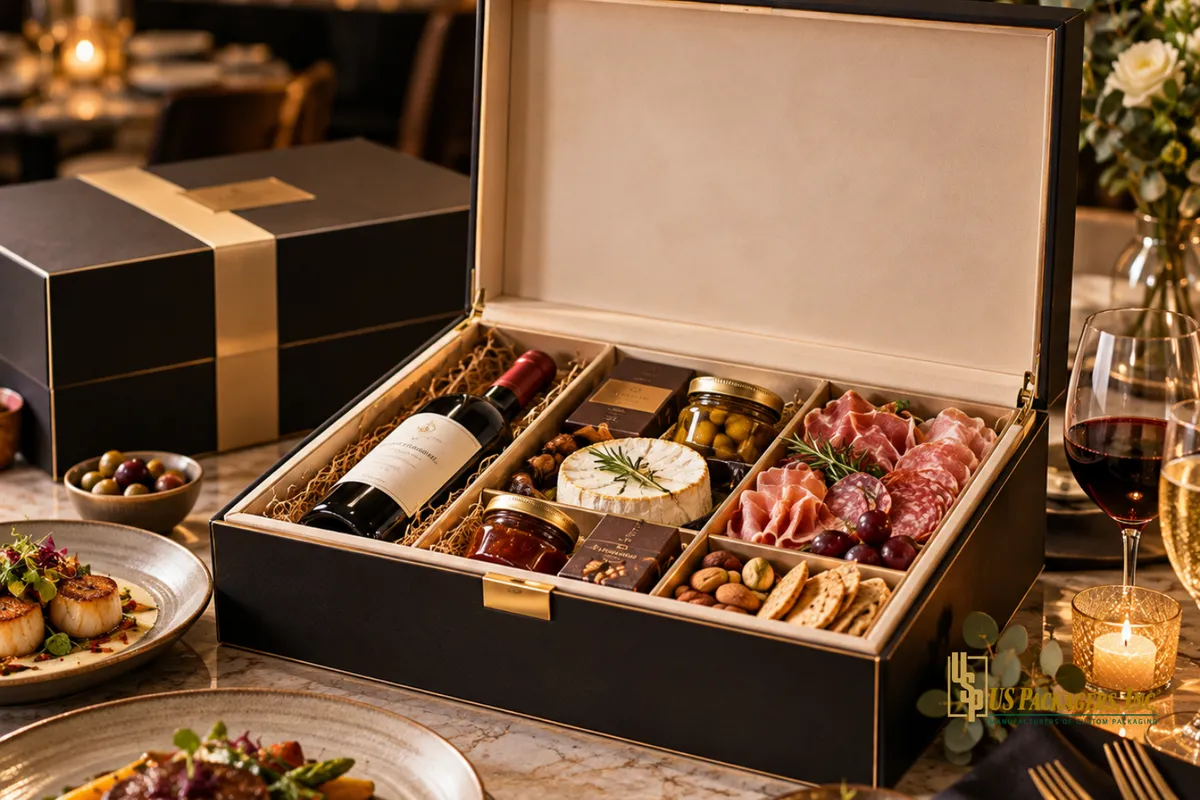
Premium Restaurant Packaging for Upscale Takeout: How to Protect Presentation, Food, and Brand
High-end restaurants selecting takeaway packaging should prioritize four business needs first: protect plated presentation, preserve temperature and texture, convey brand quality, and fit operational flow. Choosing premium restaurant packaging begins with matching packaging function to the dish and the customer experience rather than picking a pretty box. Early decisions about food-contact materials, closure systems, and stackability determine whether a meal arrives with the same perceived quality it had on the plate.
Evaluation Framework To Choose Premium Restaurant Packaging
Before choosing materials or printing, evaluate packaging against a simple decision framework that balances brand standards with transport and food-contact requirements. Ask these questions in order: what does the customer expect when they open the package; what handling and transit conditions are typical; which elements must remain separate or vented; and how will packaging fit kitchen operations and delivery partners? Use that sequence to prioritize tradeoffs between visual presentation, insulation, and cost. For restaurants seeking specialized production support, consider working with a supplier that offers Food & Beverage Packaging experience to translate those business requirements into material and structural choices.
How To Assess Food Suitability And Protection
Decide which menu items need rigid support and which tolerate flexible packaging. Items with delicate garnishes, layered presentations, or sauces on the side typically require a rigid or semi-rigid folding carton with internal partitions. Fried or crisp items need venting or absorbent liners to avoid sogginess. For soups, stews, and items with high liquid content, select leak-resistant, food-contact rated containers with secure lid engagement. Temperature-sensitive items benefit from insulation or internal liners that preserve heat or cold without trapping steam that can degrade texture.
Material Considerations
Paperboard folding cartons: Good for structured presentation, printable surfaces, and inserts; choose grease and moisture barriers if needed.
Corrugated options: Use for multi-item trays or larger packaged meals where stacking strength matters.
Compostable and PLA-lined containers: Suitable when a sustainability narrative is a brand priority; confirm performance with hot, oily foods before full rollout.
Inserts and partitions: Custom die-cut inserts preserve plating, prevent migration, and keep sauces separate.
Protecting Presentation During Transport
Presentation failures often come from movement, condensation, and stacking. Design closures and structural elements to limit movement inside the box and to maintain vertical orientation when stacked. Consider window placement, internal risers, or adhesive tabs that lock a tray in place. For delivery packing, design a secondary transit sleeve or carrier that prevents compression when couriers stack orders. Test prototypes with the typical delivery sequence and courier handling to reveal weak points.
Brand Consistency And Premium Food Presentation
Premium visual cues can be subtle but effective. Crisp, tactile materials and restrained printing amplify perceived value. Choose finishes that complement the cuisine: matte coatings for minimal, modern brands or soft-touch lamination for an elevated hand feel. Structural details such as magnetic closures, ribbon pulls, or integrated compartments can reinforce a fine-dining experience, but ensure those features do not complicate plating or create food-safety risk.
Balancing Aesthetics And Food Safety
When specifying inks, coatings, or adhesives near food, confirm food-contact compatibility. Prioritize a clean separation between printed surfaces and direct food contact, for example by using inner liners or placing printed panels outside the direct food compartment. Design for easy consumer opening while preserving the reveal moment that reinforces brand messaging.
Operational Implementation And Design-To-Manufacturing Considerations
Operational feasibility should guide every design choice. If an elaborate box requires manual assembly that slows service, the design will fail in practice. Map kitchen tasks with the new packaging in mock service runs. Verify how the package nests for storage, how it assembles under rush conditions, and how filling and closing integrate with plating. When planning production, confirm a supplier can provide required dielines, prototypes, and small-batch runs for seasonal menus. For help translating design into scalable production, investigate partners with broad Packaging Capabilities including in-house prototyping and food-focused manufacturing.
Testing And Pilot Runs
Pilot key menu items over a range of delivery methods and times to validate insulation and presentation.
Run stacking and drop tests at the order volumes and packaging combinations used by delivery partners.
Collect feedback from service staff and delivery drivers to identify friction points and assembly slowdowns.
Cost, Sustainability, And Supply Chain Tradeoffs
Premium packaging often increases unit cost. Prioritize features that directly affect the guest experience and operational reliability. Consider a mixed approach: use higher-end boxes for signature items and simpler branded sleeves for standard entrees. When sustainability is a brand value, specify materials that meet disposal goals while maintaining performance. Clarify lead times, minimum order quantities, and contingency plans for supply disruptions with potential manufacturers before locking a design.
Businesses looking for additional packaging insights can also read Food & Beverage Packaging for more practical guidance.
Frequently Asked Questions About Upscale Takeaway Packaging
Which Packaging Types Preserve Plated Presentation Best?
Rigid folding cartons with internal partitions or custom inserts provide the most reliable support for plated items. These structures prevent movement and allow for layered presentation, keeping garnishes and sauces separate until the guest opens the package.
How Can Restaurants Prevent Soggy Or Steamed Food?
Use venting strategies and absorptive liners. For items that need crispness, add vent holes or breathable inserts that allow steam to escape without exposing the food to contamination. Test these solutions with the actual menu and preferred delivery times.
Are Compostable Materials Appropriate For High-Heat Or Oily Dishes?
Compostable substrates can work but performance varies. Verify grease and moisture resistance specifically for the menu items in question. Where compostable options fall short, consider liners or hybrid constructions to achieve both sustainability goals and functional performance.
What Are Common Operational Mistakes When Switching To Premium Packaging?
Common issues include selecting complex assemblies that slow down service, failing to account for storage space and nesting, and not testing with delivery partners. Address these by prototyping, timing assembly steps in busy service simulations, and incorporating driver feedback before full implementation.
How To Choose Packaging That Protects Both Food And Brand
Help restaurants make smarter packaging decisions by choosing solutions that protect food quality, preserve presentation, and support efficient kitchen operations. At US Packagers, package your food and beverage brand From selecting suitable materials to choosing practical packaging structures, the right solutions can improve consistency, simplify daily operations, and create a memorable experience for customers while reinforcing your brand identity.