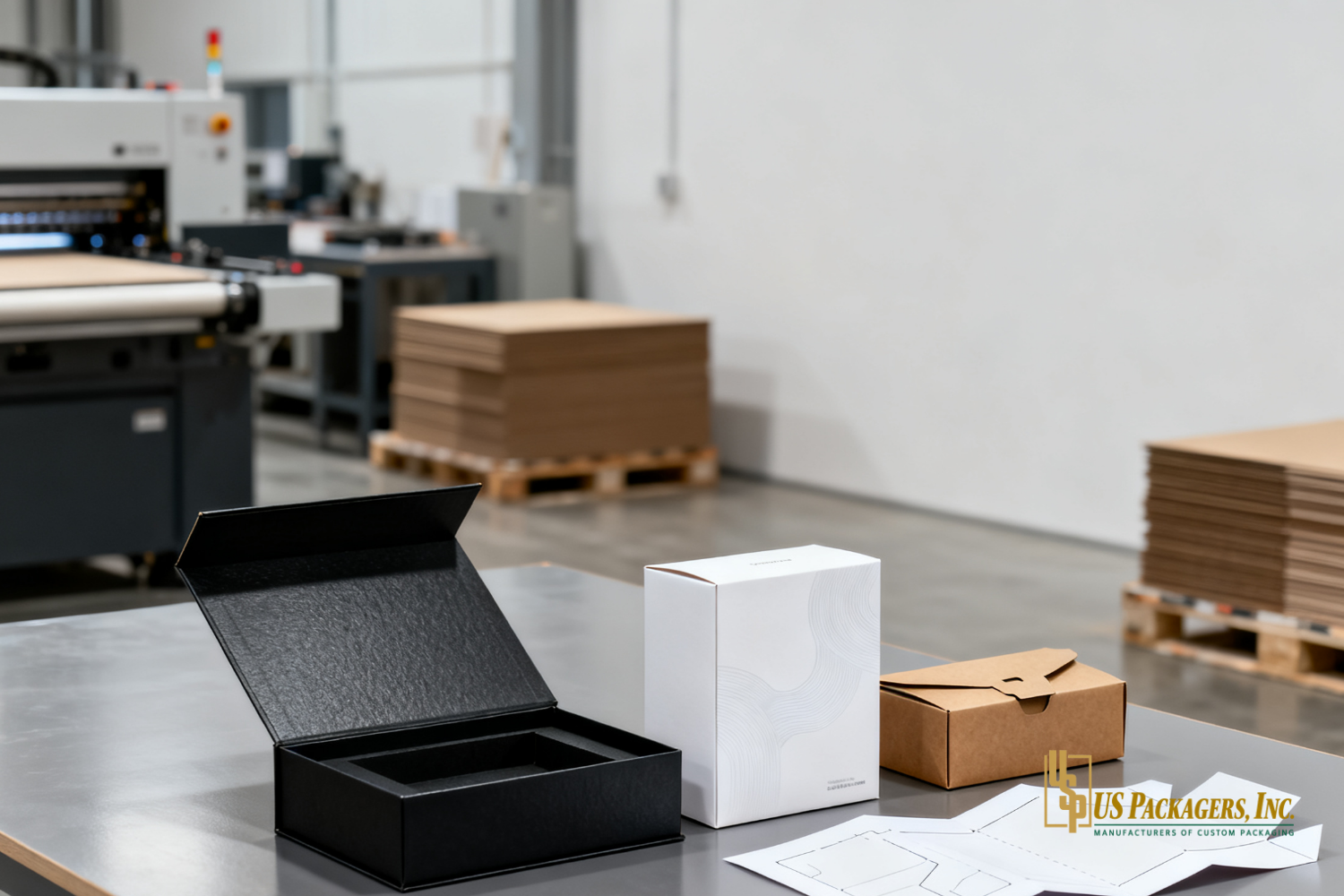
Promotional Packaging Ideas that Increase Brand Recall: A Practical Planning Checklist
Promotional packaging improves brand recall by turning a campaign asset into a tangible, repeatable experience that reinforces a single brand message. When design, function, and distribution are aligned with campaign goals, packaging becomes a memory cue: color, texture, utility, and unboxing sequence combine to increase recognition and encourage repeat engagement. The most important decisions are defining what should be remembered (logo, tagline, product benefit, or the campaign itself), where the package will be seen or kept, and how the package supports the desired action.
How Promotional Packaging Strengthens Memory and Recognition
Promotional packaging raises brand awareness by creating multiple sensory and behavioral touchpoints. A consistent visual hierarchy makes a logo easier to spot in future encounters. Tactile finishes and unusual structural details produce stronger memory encoding because the recipient physically interacts with the brand. Utility extends exposure: a useful box, sleeve, or insert stays in the recipient's environment, continuing to signal the brand long after campaign delivery.
Use of targeted cues—color palettes that match core identity, one clear message, and a distinct unboxing sequence—helps the brain store a single, retrievable representation of the brand. Planning these cues is part of promotional design, and working with a packaging partner that understands campaign objectives speeds that alignment. For brands that need a campaign-specific solution, Promotional Packaging can serve as the production and design touchpoint between creative and fulfillment.
Which Promotional Packaging Ideas produce the Biggest Recall Gains?
Decide what role packaging will play in the campaign before specifying finishes or dielines. Several approaches consistently improve recall:
Distinctive color and contrast. Choose a palette that stands out within the distribution channel. Color consistency with brand identity improves long-term recognition.
Single-message focus. Tighten the content to one core idea—an offer, tagline, or benefit—so that recipients retain that message rather than a long list of claims.
Tactile and structural features. Embossing, textured stock, or an unusual opening action can make the experience memorable without expensive printing.
Functional keepsakes. Design packaging to be useful beyond first use (storage, display, or reuse), which extends visual exposure.
Limited-edition or personalized runs. Even small personalization touches—variable copy, name printing, or unique codes—raise perceived value and memorability.
Balance these ideas against logistics. For example, a rigid presentation box may score high on recall but adds weight and cost. Smaller campaigns with in-person distribution can prioritize structure and finish; mass direct-mail campaigns may favor printed sleeves or sturdy mailers optimized for postage.
Design and production trade-offs to consider
Before settling on production specifications, ask how the packaging will be distributed, handled, and stored. Those constraints inform material choice, print method, and finishing options. Digital print makes short personalized runs viable; offset or flexo may be more economical at higher volumes. Finishes such as soft-touch coating or spot varnish add sensory impact but increase cost and handling complexity.
Durability should match distribution: in-person handouts need less crush resistance than items shipped through multiple carriers. Sustainability choices—recycled content, recyclable inks, or reduced packaging—affect perceived brand values and sometimes increase cost. Selecting an approach that aligns with the campaign’s audience and channel will protect both brand presentation and campaign budget.
Promotional packaging campaign checklist
Use this checklist to move from concept to production with fewer surprises.
Define campaign objective and KPI. Clear goals (brand awareness lift, lead capture, repeat purchases) determine design priorities.
Identify the distribution channel and handling. Specify whether items will be handed out, mailed, included with purchases, or used at events.
Pin down the single message. Decide one memorable statement, code, or visual that the package should convey.
Set size, weight, and fulfillment constraints. Provide accurate dimensions and maximum weight to estimate postage and storage.
Select materials and finishes. Evaluate tactile options, print methods, and environmental trade-offs for the campaign audience.
Develop dielines and prototypes. Create a physical mockup to validate sequence, fit, and unboxing feel.
Plan inserts and call-to-action mechanics. Determine where to place QR codes, codes for redemption, or personalized elements.
Confirm fulfillment and kitting workflow. Outline how items will be packed, serialized, and shipped; include quality checkpoints.
Test packaging under expected handling conditions. Verify that structural choices survive storage and transit.
Define measurement and feedback loops. Include unique codes, landing pages, or survey links to measure recall and conversion.
Review legal and regulatory needs. Confirm labeling, ingredient disclosure (when applicable), and any promotion terms.
Questions to ask a packaging partner about implementation
When moving toward production, clarity about capabilities reduces late changes. Ask about minimum order quantities, options for short-run personalization, prototyping services, in-house finishing, and how the partner handles kitting and fulfillment. In-house production can speed iteration and reduce risk because design changes and quality checks happen under one roof. If production flexibility or bespoke solutions are required, request examples of similar campaign work and a description of how design and supply chain coordination will be managed. For custom structural solutions, discuss available materials and print technologies with the partner so design decisions remain practical and cost-aware. For brands exploring these options, a conversation about technical and logistical fit can clarify choices for both creativity and scale.
Businesses looking for additional packaging insights can also read Promotional Packaging for more practical guidance.
FAQ: Common promotional packaging questions
How to choose between giving a promotional item and using a branded box? The choice depends on ongoing visibility and cost per impression. A well-designed box that stays in a customer’s home may create repeated exposure, while a useful giveaway can place the brand into daily routines. Align the decision with campaign KPIs and distribution logistics.
How is brand recall measured for packaging-led campaigns? Use a mix of methods: controlled brand-lift surveys, redemption or landing-page tracking tied to unique codes, and behavioral KPIs like repeat purchases. Qualitative feedback from test groups can flag unanticipated impressions.
Does personalization materially improve recall? Personalization increases perceived relevance and attention, which supports memory encoding. Even modest personalization—variable names, limited design variants, or unique codes—can raise engagement in targeted segments.
What are common failure points for promotional packaging? Common issues include mismatched distribution assumptions (a design that works for handout fails in mail), insufficient prototyping, and unclear calls to action. Address these in the checklist items for prototypes and fulfillment planning.
Packaging decisions that protect both recall and operations
For businesses planning a promotional campaign, packaging can play an important role in making the product more memorable while supporting practical production and fulfillment requirements. With US Packagers, you can explore promotional packaging solutions designed to balance creative presentation with production practicality. Our team can help you evaluate packaging formats, materials, finishes, and customization options while keeping your campaign goals, budget, quantities, and fulfillment needs in mind. Whether you are preparing a product launch, promotional giveaway, corporate campaign, or branded packaging project, the right packaging approach can help create a stronger experience from delivery to unboxing.
