Souvenir Packaging Ideas: A Practical Guide to Protection, Presentation, and Production
Souvenir brands should choose packaging that protects the product, aligns with the purchase context (gift, keepsake, or impulse buy), and makes the physical moment of ownership feel valuable. Practical tradeoffs include unit cost versus presentation, shipping durability versus in-store display appeal, and sustainability goals versus material availability. Prioritize the customer's experience—ease of opening, memorable presentation, and how the package travels home—then match materials, format, and finishing to those priorities.
Match Packaging Approach to the Souvenir's Role and Sales Environment
Which question matters first: is the souvenir meant to be a gift, a small impulse purchase, or a fragile collectible? The answer drives every later decision. Retail souvenirs sold at kiosks or museum stores often need compact, shelf-friendly packaging with strong graphics. Gift-oriented souvenirs require elevated presentation and protective interiors. Items sold online require packaging designed for transit, stacking, and cost-efficient shipper dimensions.
Key business considerations before design: item fragility, likely destination (carry-on luggage, checked bag, or mailed), point-of-sale display size, and whether the package should double as a keepsake. Clarifying these reduces costly revisions and ensures the packaging supports margin and experience goals.
Presentation Formats and Practical Souvenir Packaging Ideas
Choose a format based on product size, fragility, and desired unboxing moment. Common, effective formats include folding cartons for lightweight items, rigid presentation boxes for keepsakes, tuck-top mailer boxes for online orders, cylindrical tubes for posters or rolled prints, and small window boxes for figurines or ornaments. For retail souvenirs that double as gifts, presentation boxes paired with custom tissue and a branded sticker are an efficient upgrade.
For brands seeking elevated finishes and reliable production, consider working with a packaging partner who offers both design and manufacturing services. Gift & Souvenir Packaging solutions can combine material guidance with production capability so presentation choices remain practical and repeatable.
Practical ideas organized by product type:
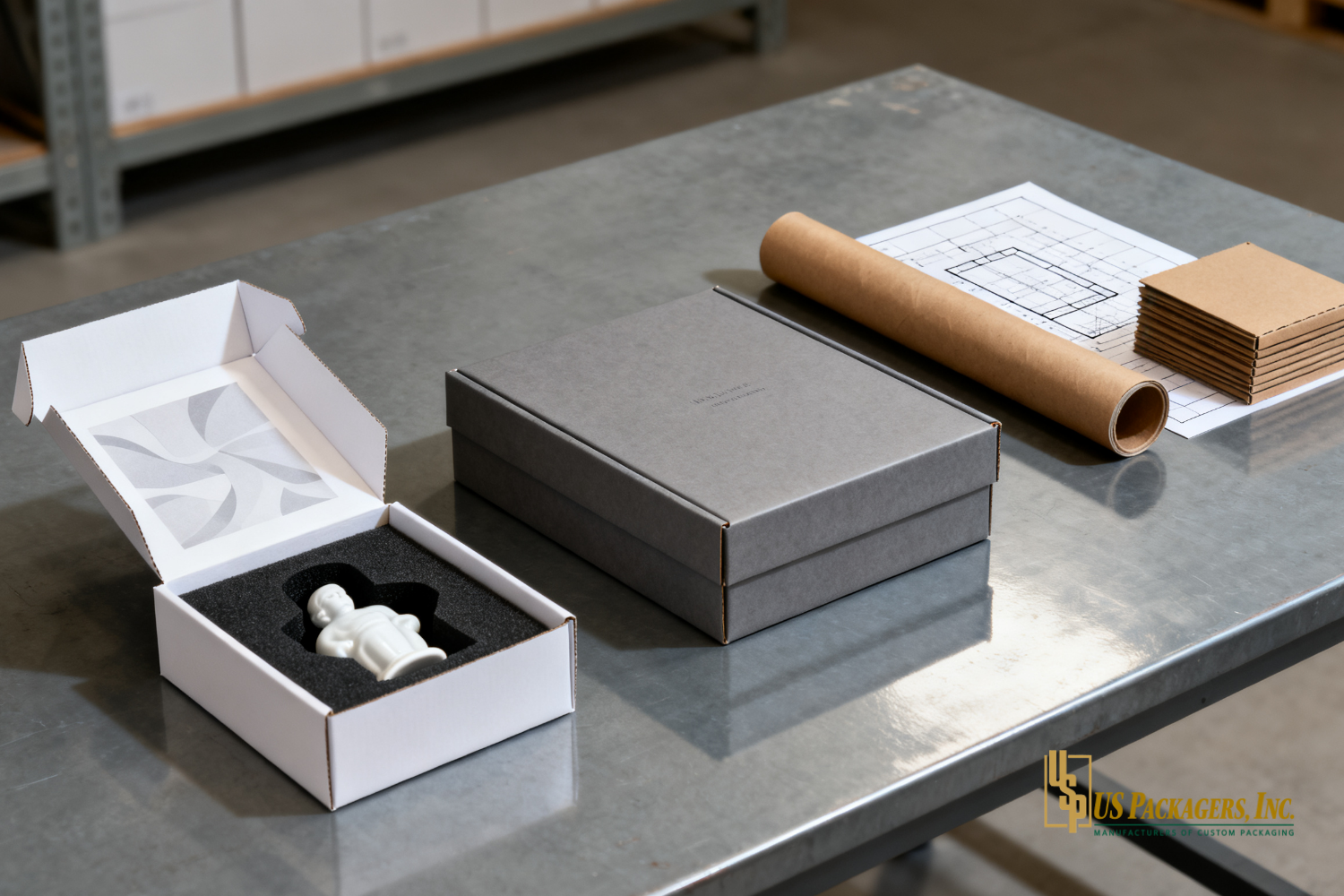
Small metal or ceramic collectibles: Small rigid boxes with foam or molded pulp inserts. Use a simple wrap of tissue and a sealing sticker so the item emerges as a revealed keepsake.
Textiles and apparel: Flat folding cartons that stack easily on shelves, or branded garment bags for higher-end souvenir apparel. Include a tear strip or resealable closure for repeat access.
Prints, posters, maps: Sturdy mailer tubes with protective end caps for shipping, and thin rigid slipcases for retail presentation.
Edible souvenirs: Food-safe cartons with interior barriers, clear freshness labeling, and optional secondary gift boxes for premium confections.
Collectible sets or multi-part souvenirs: Compartmentalized trays, foam inserts, or die-cut paperboard to prevent movement and preserve visual presentation on opening.
Finishing choices influence perceived value more than cost at scale. Spot varnish, matte or soft-touch coatings, and restrained foil accents guide tactile impressions while printed interior artwork, a brief story card, or a local map can strengthen connection to place. Presentation boxes and protective interiors should be specified together so the visual reveal and the product protection are balanced.
Design decisions that reinforce the customer experience
Start by defining the emotional moment to create: pride, nostalgia, surprise, or practical reuse. Design elements should support that moment without adding friction. For example, a keepsake box that opens with a single ribbon tab is simple and ceremonial; a rigid box with multiple layers of packing might feel fussy. Consider how the package will be handled, opened, and stored after purchase.
Labeling and storytelling space should be concise. A short narrative card, a small map, or a care instruction card can increase perceived value and reduce customer questions. Where appropriate, use a QR code that links to an experiential page such as local history, usage tips, or suggested pairings; ensure that a web fallback is available for customers who prefer no digital step.
Sustainability choices should be explicit and communicated clearly. If recyclable or compostable materials are selected, verify local recycling streams and avoid unverified claims. Test finishes and adhesives to ensure they do not block recyclability when that is a brand goal.
Production and Implementation Considerations for Souvenir Packaging
Moving from concept to production requires alignment on tooling, minimum order quantities, and prototype review. Discuss sample expectations early: one-piece mockups (digital dielines and printed proofs) clarify scale, while physical prototypes validate fit and unboxing. Design for manufacturability by minimizing complex shapes where possible, and by selecting materials available regionally to avoid supply interruptions.
When planning production, balance customization with operational simplicity. Custom die-cut inserts improve presentation but increase tooling costs and lead times. Where budgets are constrained, consider modular inserts or printed dividers that reduce the need for dedicated tooling. Also plan pack-out processes: packaging that simplifies packing on a fulfillment table reduces labor and error during busy periods.
For brands aiming for a higher-end retail experience, coordinate design and manufacturing decisions with an expert in premium packaging and finishes. Gift & Souvenir Packaging production knowledge helps translate presentation goals into reliable manufacturing specifications and realistic budgeting.
Souvenir Packaging Experience Checklist
Define the purchase context: gift, memento, or online order. Ensure every subsequent decision supports that context.
Confirm item protection needs: drop tests, crush resistance, and humidity considerations for food or textiles.
Choose a format that fits both the product and the point of sale: shelf footprint for retail, compactness for kiosks, and protective mailers for shipping.
Specify an interior solution: molded pulp, foam, or paperboard tray sized to hold the item securely with minimal excess movement.
Decide on finish level: printed interiors, spot finishes, laminates, or embossing. Prioritize one or two high-impact treatments rather than many minor ones.
Assess supply chain implications: local material availability, minimum order quantities, and options for reorders or seasonal runs.
Plan for packaging ergonomics: ease of opening, reusability, and how the package will be presented at point of sale (shelf, counter, or display).
Validate sustainability claims: confirm recyclability and test material compatibility with finishes and adhesives.
Request physical prototypes and perform practical tests: fit, unboxing experience, and transit simulation if shipping is involved.
Document pack-out instructions and quality checks to maintain consistent customer experience across batches.
Businesses looking for additional packaging insights can also read Gift & Souvenir Packaging for more practical guidance.
Frequently Asked Questions about Souvenir Packaging
How much should be spent on presentation for low-cost souvenirs?
Answer: Spend where it changes perception and preserves margin. For low-cost items, minimal but thoughtful upgrades—branded tissue, a small story card, or a simple tuck box—often deliver the biggest lift in perceived value per dollar. Test a few variants against sales to confirm which upgrades influence purchase or gift decisions.
What are good sustainable materials for souvenir packaging?
Answer: Paperboard, recycled kraft, and molded pulp are practical choices that balance cost, protection, and recyclability. Avoid mixed-material laminates if recycling is a priority. Confirm the supply chain and local recycling practices before committing to a material on sustainability grounds alone.
How should fragile souvenirs be packed for shipping internationally?
Answer: Use a two-stage protection approach: a protective interior (foam or molded pulp) inside a rigid presentation box, and then an outer shipper sized to limit movement. Include clear labeling for fragile items and specify orientation if necessary. Work with fulfillment partners to review dimensional weight impacts on shipping cost.
What questions should be asked when selecting a packaging supplier?
Answer: Ask about sample and prototyping options, minimum order quantities, tooling costs, finish capabilities, material sources, quality checks, and how they handle revisions. Request references or samples that demonstrate similar work. Confirm communication cadence and who will coordinate design-to-production handoffs.
How Packaging Choices Shape Souvenir Value and Repeat Purchase
Premium gift packaging should reflect the story behind each souvenir while meeting real-world production requirements. From selecting suitable materials and refining structural details to creating a polished unboxing experience, every packaging decision should support product protection, visual presentation, and everyday practicality.
US Packagers helps brands create premium gift packaging through collaborative design and manufacturing solutions tailored to their products and goals. Whether you are developing custom packaging for corporate gifts, retail merchandise, promotional items, or memorable keepsakes, thoughtful packaging can strengthen brand recognition, enhance the customer experience, and make each product feel more meaningful.
