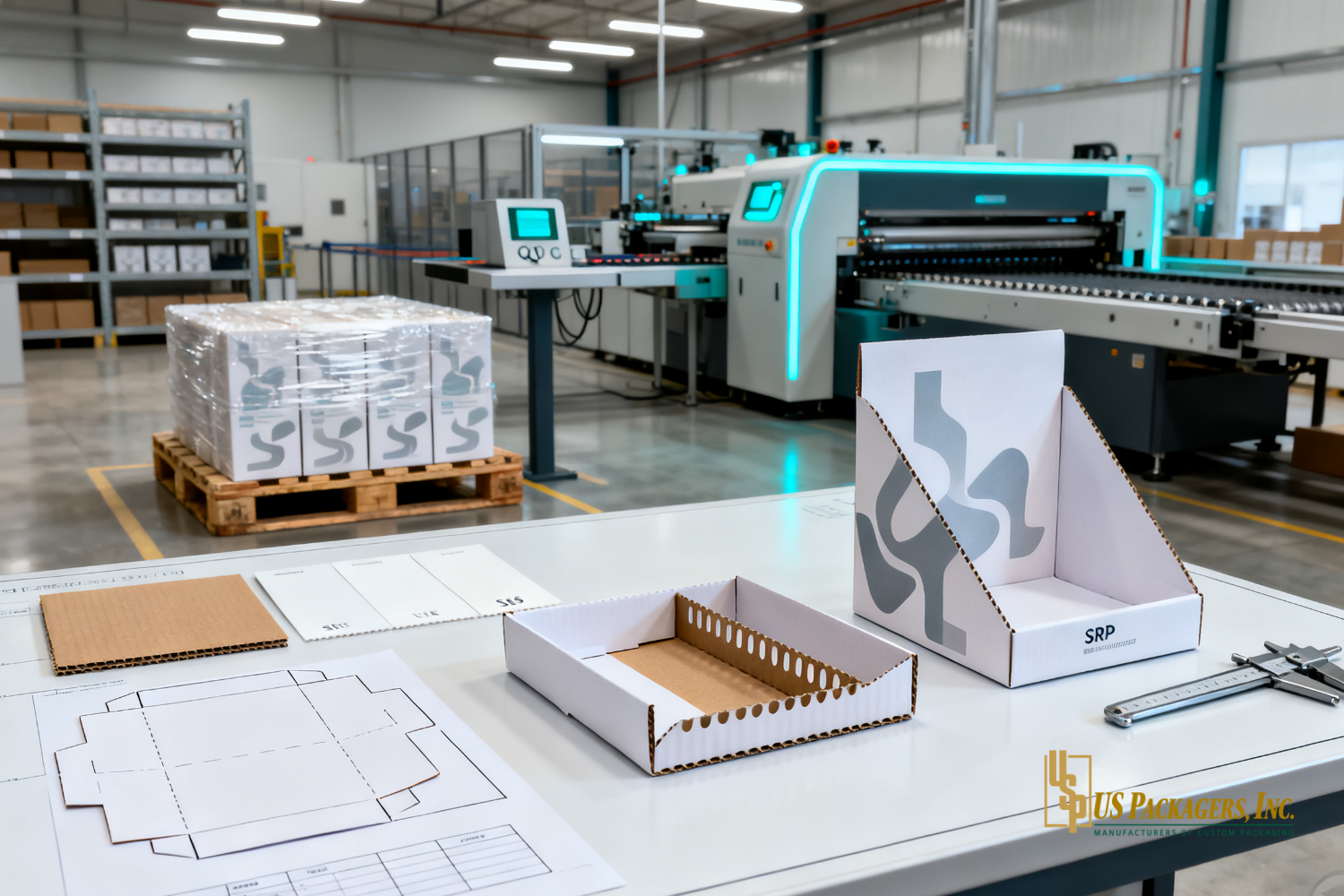
Shelf-Ready Packaging: Faster Stocking, Stronger Brand
During a typical product launch, packaging decisions made late can undermine shelf appeal and complicate in-store handling. Shelf-ready packaging helps streamline replenishment and display setup by delivering a single, ready-to-sell unit. This approach is a core component of Retail Packaging, aligning product packaging with retail display needs from the start to protect the product and bolster brand presence.
Brands often wrestle with whether to prioritize eye-catching graphics, shipment protection, or fast shelf replenishment. The challenge grows when retailers require specific display configurations and standardized packaging streams. The answer lies in early collaboration between branding, product development, and manufacturing teams to define print, substrate, and structural requirements before production begins.
To keep momentum, packaging decisions should begin with the product and the shopper journey, not a single graphic file. US Packagers' in-house design and manufacturing makes it possible to translate goals into practical, scalable shelf-ready packaging rather than a collection of disjoint specs. As product lines expand, a scalable program reduces rework and accelerates retailer onboarding.
Quick Answer
Shelf-ready packaging is pre-assembled packaging designed for direct display on retailers’ shelves, combining product packaging and retail packaging into a single, display-ready unit. It usually includes ready-to-display graphics, a durable opening and loading feature, and protection for transit. This approach speeds in-store stocking and minimizes handling by retailers.
Key Takeaways
- Align packaging with in-store displays.
- Plan for quick assembly.
- In-house design and manufacturing improves consistency.
- Balance branding with product protection.
- Plan for future growth.
- Streamline supply chain handoffs.
Quick Business Snapshot
| Category | Details |
|---|---|
| Best For | New product launches |
| Business Size | Small to mid-sized brands |
| Primary Benefit | Faster in-store readiness |
| Implementation Complexity | Moderate setup |
| US Packagers Service Fit | In-house design and manufacturing |
| Typical Environment | Retail display packaging area |
Who Should Consider This Solution
- New product launches for retail shelves; shelf-ready packaging accelerates entry.
- Brands refreshing packaging to improve on-shelf impact and efficiency.
- Food and beverage brands preparing for grocery aisles; need visibility and protection.
- Health and beauty brands upgrading presentation for premium retailers.
- Promotional product companies seeking consistent branding across shipments.
- Manufacturers needing scalable packaging that grows with product lines.
Why This Matters for Your Brand
The way packaging presents a product in-store and in-hand shapes shopper perception and purchase decisions. Shelf-ready packaging tightens the bridge between packaging design and retail execution, ensuring graphics, structure, and opening experience work together to protect the product while communicating value. The goal is a seamless handoff from loading dock to shelf that preserves brand identity and reduces time-to-shelf for new SKUs. In practice, this means establishing consistent dielines, robust substrates, and practical display features early in the development process.
Where Packaging Decisions Usually Get Stuck
Often the friction happens when branding graphics collide with display requirements or when packaging lines cannot reproduce a display-ready unit at scale. Without early alignment, changes ripple through design, print, procurement, and logistics. The fix is cross-functional planning that translates brand intent into concrete, repeatable packaging specifications for production floors and retailers alike.
What Changes as Your Product Grows
As product lines expand, shelf-ready packaging needs to remain adaptable. Growth drives more SKUs, more retailers, and sometimes more display formats. A scalable shelf-ready program emphasizes modular dielines, repeatable assembly methods, and supplier-friendly substrates that accommodate variations while preserving brand integrity. In-house design and manufacturing simplify updates and maintain consistency across new packaging families.
What to Consider Before Choosing Packaging
Start with four questions: What display outcome is required by retailers? How will the packaging protect the product during transit and on-shelf handling? What branding elements must remain consistent across retailers? Is the production pathway flexible enough to accommodate growth? Answering these clarifying questions helps identify whether shelf-ready packaging or a hybrid approach best serves long-term goals.
Balancing Branding with Protection
Brand presentation should not come at the expense of product protection. Shelf-ready packaging negotiates a practical balance by selecting substrates that withstand stacking, transit, and shelf abrasion while enabling vibrant graphics and intuitive access. The result is a unit that looks premium and performs reliably, reducing returns and out-of-stocks caused by packaging issues. Coordinating with packaging engineers early in the process yields the best blend of form and function.
Planning for Future Production
Long-term planning reduces disruption when lines scale. Consider production capabilities, lead times, and change-management when introducing new SKUs. A forward-looking program anticipates retailer-imposed constraints and field updates efficiently. In-house design and manufacturing support from US Packagers helps keep transitions smooth and avoids ad hoc rework that can derail timelines.
Building a Better Customer Experience
Display-ready packaging communicates care at the moment of truth: the shopper’s first touch. By integrating branding with a clear, intuitive unboxing and reliable protection, the packaging supports a positive product experience from shelf to home. This approach also feeds into retailer relationships by delivering predictable, scalable packaging that simplifies replenishment and shelf resets.
A Realistic Business Scenario
- Business situation: A mid-sized health and beauty brand prepping a retailer pitch.
- Packaging challenge: Inconsistent in-store displays across chains and onboarding delays.
- Decision being made: Implement a shelf-ready packaging program aligned to branding.
- US Packagers support: In-house design and manufacturing to deliver scalable packaging.
Practical Checklist
- Define target retailers and display requirements for each SKU.
- Map brand visuals to dielines and substrate choices.
- Choose packaging types that balance protection with display.
- Test assembly and loading in a simulated retail environment.
- Document standard operating procedures for production and warehousing.
- Coordinate with retailers on replenishment and shelf standards.
- Plan for future SKUs with modular packaging platforms.
What US Packagers Recommends
If advising a business today, the first step is to clarify branding goals and how shelf-ready packaging aligns with those goals. With that foundation, evaluation focuses on product protection, packaging presentation, manufacturing feasibility, and long-term strategy. In-house design and manufacturing accelerates alignment and supports a cohesive program from concept to launch.
Common Mistakes to Avoid
- Rushing graphics before understanding display needs.
- Ignoring retailer requirements and handling constraints.
- Overcomplicating the packaging with unnecessary features.
- Undertesting protection and load-bearing performance.
- Failing to plan for future SKU additions.
- Neglecting sustainability and material implications.
Frequently Asked Questions
What is shelf-ready packaging?
Shelf-ready packaging refers to pre-assembled packaging designed for direct display on shelves, combining product packaging with retail presentation in a single unit. It supports quick stocking and reduces handling by store personnel, while maintaining protection and branding consistency.
How does shelf-ready packaging differ from traditional retail packaging?
Shelf-ready packaging emphasizes display integration and handoff efficiency to retailers, whereas traditional retail packaging may require more on-shelf assembly and separate display accessories. Shelf-ready solutions aim to minimize in-store steps and standardize packaging across retailers.
What materials work best for shelf-ready packaging?
Materials should balance durability, print quality, and sustainability. Common choices include high-quality corrugated for shipping protection, paired with rigid or folding cartons for premium presentation, while substrates should withstand stacking and handling in warehouse operations.
How should a brand start a shelf-ready packaging project?
Begin with cross-functional alignment on branding goals, retailer requirements, and production capabilities. Develop standardized dielines, select durable substrates, and create a test plan that validates assembly, protection, and display consistency before scaling.
Can shelf-ready packaging improve supply chain efficiency?
Yes, by reducing in-store handoffs, streamlining replenishment, and simplifying retailer onboarding. A well-planned shelf-ready program minimizes rework and accelerates time-to-shelf for new products while maintaining brand integrity.
Parting Insight on Shelf-Ready Packaging
Better packaging decisions begin with understanding the product, the brand, and the customer experience before choosing a packaging solution.
Why Trust US Packagers
| Credibility | Details |
|---|---|
| Founded | 2012 |
| Experience | 40+ years in packaging |
| In-house Capabilities | Design and manufacturing |
| Expertise | Custom packaging solutions |
| Philosophy | Customer-first packaging |
| Industries Served | Promotional, Entertainment, F&B, Health & Beauty |
Dynamic Final CTA
At US Packagers, applying a cohesive shelf-ready packaging program begins with understanding the product and the brand. The team helps brands evaluate branding goals, product protection, packaging presentation, manufacturing considerations, and long-term packaging planning, with in-house design and manufacturing ensuring alignment across the lifecycle. Explore Retail Packaging options with US Packagers.
