Influencer PR Packaging That Converts: Design to Delivery
Successful influencer PR packaging combines a clear presentation strategy with practical production choices. The packaging must showcase the product on camera, create an unboxing moment that feels effortless for creators, and protect the contents through transit. Designing with those three priorities—visual impact, creator experience, and reliable protection—answers the practical question brands face when planning influencer campaigns and helps determine material, print, and assembly decisions.
Core design principles that drive conversions
Which visual and messaging choices improve shareability and drive conversions? Start by designing packaging that reads well on camera and in thumbnails. High-contrast artwork, a single focal logo or product shot, and a clear hierarchy of copy make the product identifiable in short-form video and carousel posts. Treat the outside of the box as a visual headline and the interior as a staged reveal that supports the creator's narrative. When the goal is both brand awareness and click-throughs, the visual presentation matters as much as the product itself.
Packaging must also be easy for creators to work with. An influencer who can open, display, and reassemble packaging on camera will produce cleaner content. Features that support creators include simple tuck-flap closures, detachable product trays, magnetic lids that stay open for filming, and interior dividers that hold product in place for hand-held shots.
Finally, connect the creative brief to production capabilities early. Align creative assets and tactile details with available manufacturing options so design ideas remain practical. Brands creating influencer kits frequently rely on specialty services to translate design into a production-ready solution; for campaign-focused projects consider partnering with a vendor experienced in Influencer & PR Packaging to help ensure the design intent survives the manufacturing stage.
What matters most for the creator experience
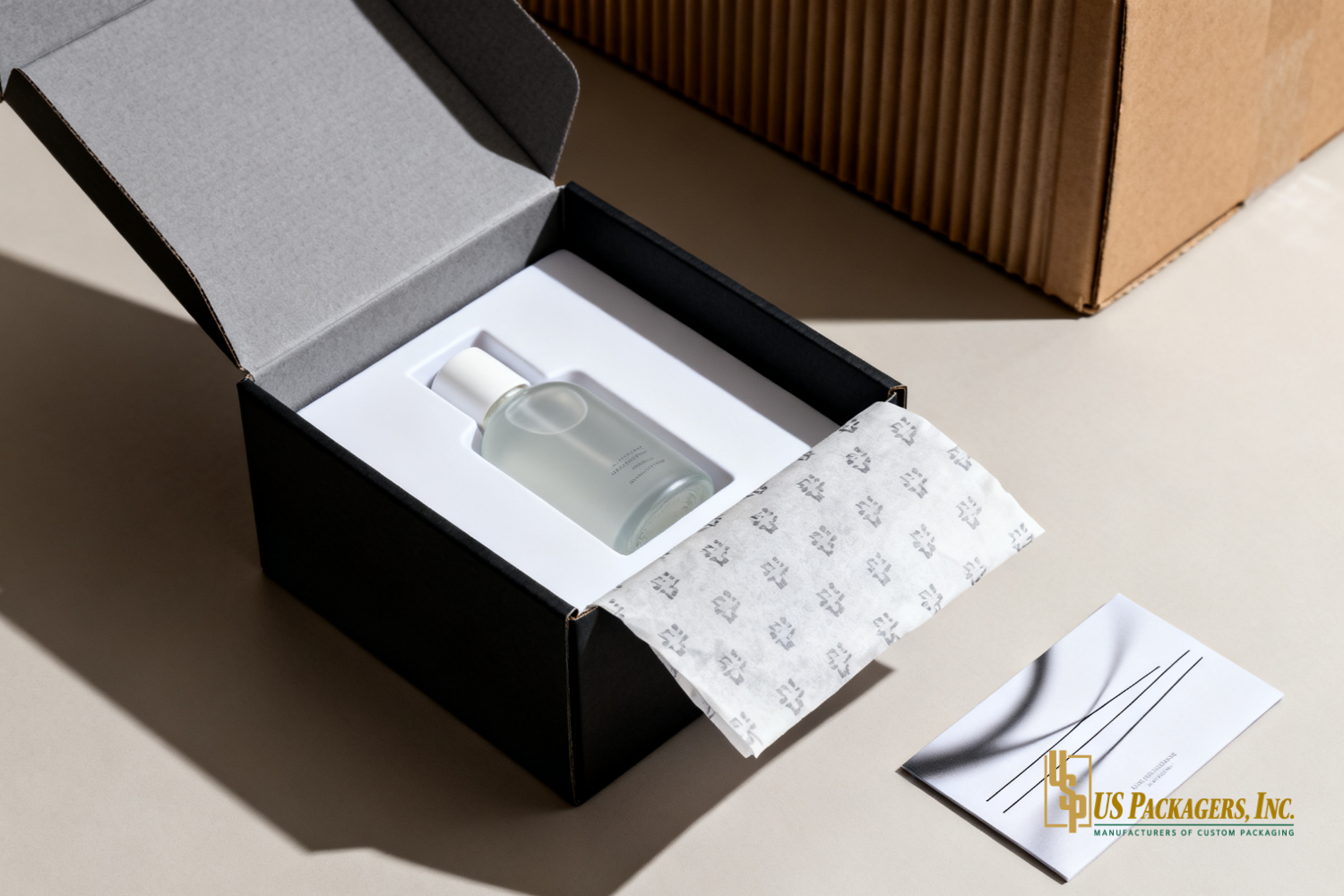
Which elements make creators feel confident sharing a package on social channels? Think like a content producer. Photography- and video-friendly color palettes avoid tiny patterns that cause moiré on camera. Matte or soft-touch finishes reduce glare under ring lights while still photographing richly. Include one visually strong prop or reveal element—such as a branded tissue wrap, a product cradle with contrasting color, or a concise product card—so creators can stage shots quickly without extra styling.
Provide simple on-brand instructions and suggested shot ideas. A one-page card with three short, camera-friendly prompts helps creators produce consistent content without heavy direction. If the campaign includes a link, QR code placement and legible short URLs are important—place them on a visible interior surface so creators can capture them during unboxing shots without obstructive labels on the exterior packaging.
Material choices that protect and photograph well
Which substrates balance protection, aesthetics, and sustainability? Folding cartons printed with high-quality litho or digital presses deliver sharp graphics for thumbnails. Rigid boxes feel premium and produce a satisfying reveal, but they add weight and cost. Corrugated mailers are cost-effective and reliable for shipping; when using corrugate, add a printed slip or inner sleeve to preserve a premium look on camera. For smaller items, custom insert trays made from molded pulp or recycled PET can hold products securely while remaining visually neutral in frame.
Consider how finishes look under artificial light. Soft-touch lamination, embossing, and selective spot varnish can enhance perceived value, but each finish interacts with lighting differently. Test on camera before large runs.
Packaging formats: PR boxes, creator mailers, and branded packaging
Which format suits the campaign goals? Use PR boxes when the unboxing should feel luxurious and shareable; choose creator mailers when the objective is lower-cost outreach at scale. Branded packaging sits between those options: it preserves a strong visual identity while remaining practical for larger lists. For limited, high-touch influencer sets, a multi-component PR box with inner trays and a signature reveal element creates a memorable moment. For broad product seeding, a well-branded padded mailer with interior staging components delivers consistency while keeping fulfillment straightforward.
Shipping and logistics decisions brands often overlook
What shipping considerations affect both appearance and reliability? Packaging that looks great in-studio can arrive damaged if transit protection is inadequate. Factor in corner protection, internal bracing, and void-fill that resists shifting during multi-stop freight. For heavier products or mixed-item kits, design internal partitions tailored to each SKU to reduce movement. Also confirm that the outer shipping carton size aligns with carrier dimensional pricing to avoid unexpected costs.
Include durable exterior labeling that survives automated sortation. If the campaign relies on rush delivery or distributed shipping, verify that the pack design can be assembled efficiently at scale; complex multi-component kits can increase fulfillment time and error rates if not planned with operations in mind.
Measuring success and reducing friction for creators
Which outcome metrics and practical steps help teams evaluate packaging effectiveness? Track on-platform engagement for unboxing content, monitor creator feedback about usability, and inspect returned packaging for damage patterns. Ask creators whether the package was camera-ready, how long it took to stage, and whether any elements interfered with filming. Use that input to refine one or two components each campaign rather than redesigning the entire package at once.
Businesses looking for additional packaging insights can also read Influencer & PR Packaging for more practical guidance.
Questions marketing teams commonly ask about influencer PR packaging
How much should design complexity vary by campaign? Keep high-complexity, high-cost formats for smaller, high-impact lists. For broad seeding, standardize components to reduce fulfillment friction.
Are printed boxes better than plain mailers for reach? Printed boxes perform better visually, but the best choice depends on budget and campaign goal. If visibility on camera is paramount, prioritize printed surfaces or a decorative inner sleeve.
Can sustainable materials photograph well? Yes. Recycled board and molded pulp can be finished and colored to look premium. Testing on camera is essential to confirm the visual effect.
What information should be included for creators? Keep on-camera copy minimal. Use an interior card for product details, campaign hashtags, and suggested shot ideas.
Production planning: translating design into reliable manufacturing
How to move from a creative brief to a production-ready package without surprises? Document dimensional tolerances, material specifications, and assembly instructions during design review. Prototype early with a physical sample to check fit and reveal mechanics on camera. Confirm print color proofs and finish samples under similar lighting to creator environments. Plan for at least one pre-production check before the full run to validate dielines, insert tolerances, and any special finishes.
When production decisions require vendor collaboration around specialty finishes, coordinate material availability with schedule flexibility. For brands seeking a single partner to manage design, prototyping, and production, sourcing a vendor with in-house capabilities reduces handoffs between design and manufacturing. For teams focused on premium presentation, consider consulting a supplier experienced in Luxury Packaging to balance aesthetic goals with manufacturing practicality.
Practical checklist for an influencer PR packaging brief
Define campaign goals: awareness, conversions, or both.
Specify list size and fulfillment approach (centralized vs. distributed).
Identify key shot moments the packaging must support.
Choose format: PR box, creator mailer, or branded mailer.
Set material and finish constraints tied to photography needs.
Request physical prototypes and camera tests before sign-off.
Confirm shipping protection and dimensional pricing with logistics.
Practical packaging planning for influencer campaigns
Custom PR packaging from US Packagers can balance on-camera impact, creator usability, and transit protection, with in-house design and production support to streamline concept development, prototypes, and production runs while keeping each package aligned with the campaign’s branding, messaging, and measurable content goals.
